
Holiday Island
Play Holiday Island
Holiday Island Screenshots
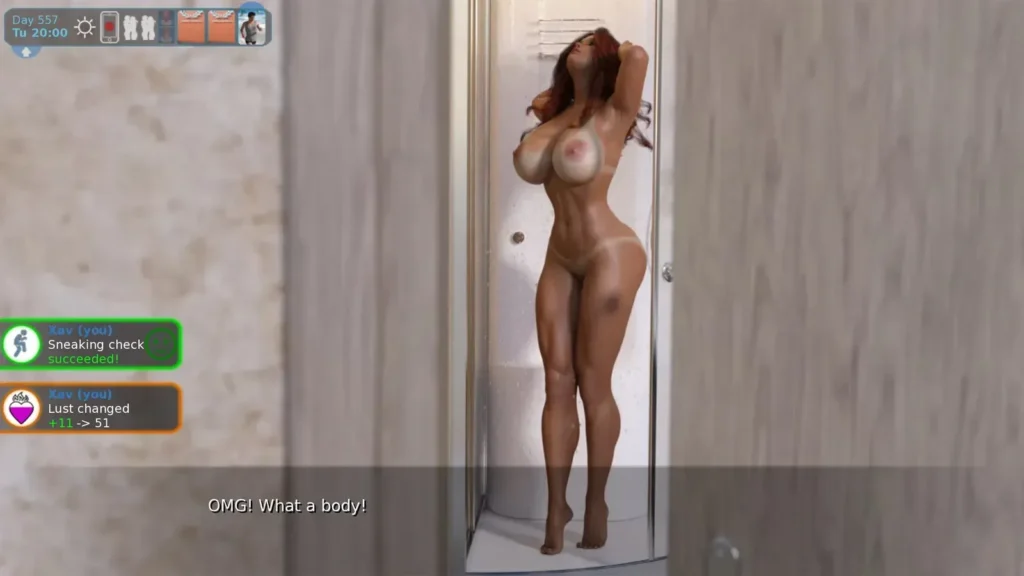
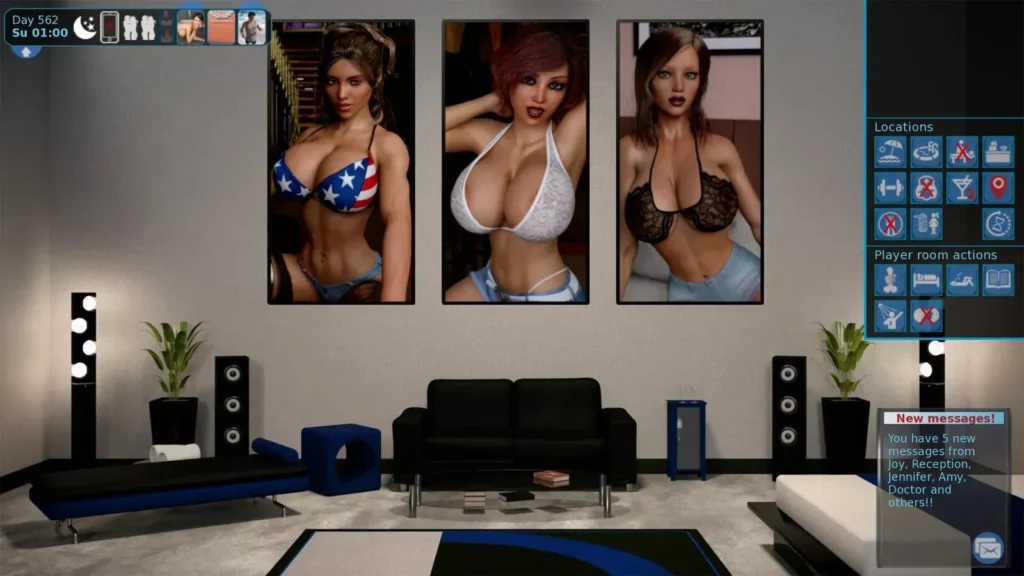
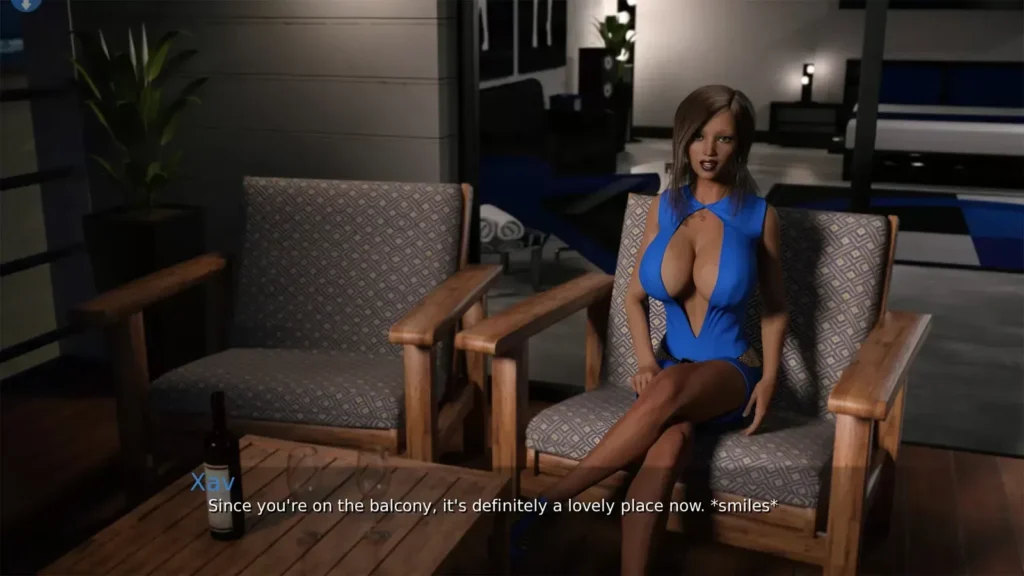
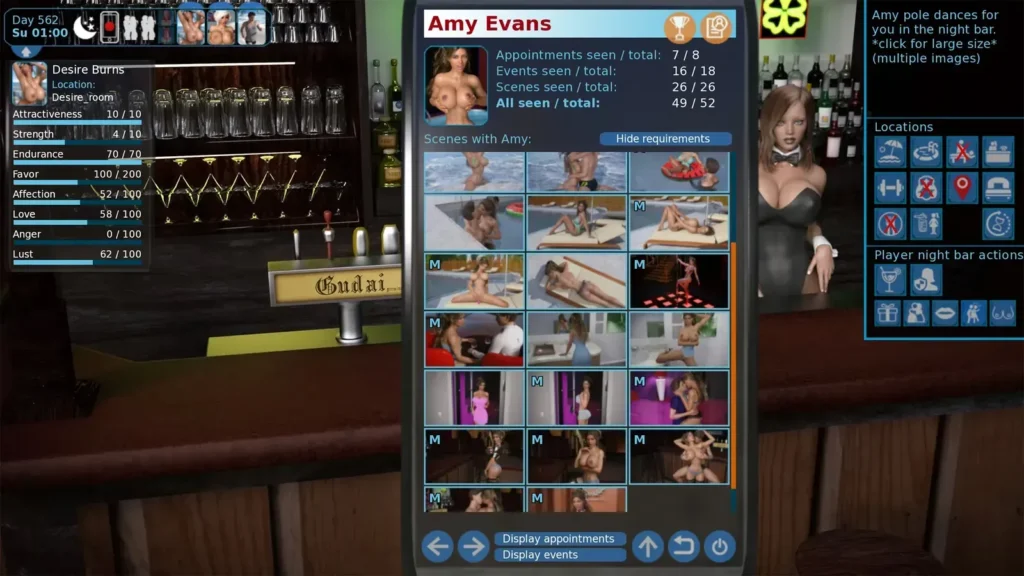

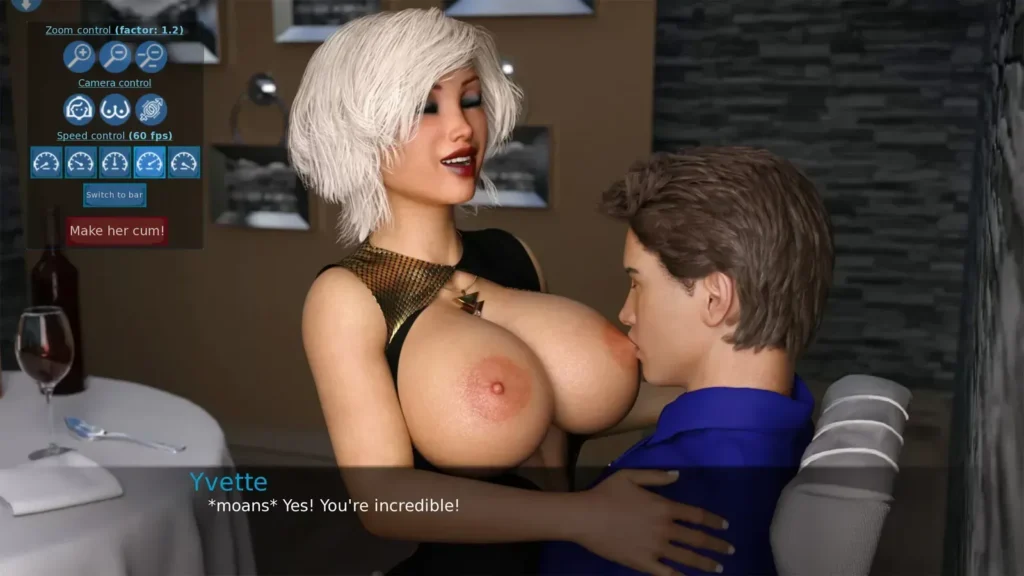


Holiday Island review
A practical breakdown of scenes, progression, and player choices
Holiday Island is a scene-driven adult game where progression depends on conversations, timing, character states, and the right choices at the right moment. If you have ever felt stuck waiting for the next event to trigger, this article will help you understand how the game flows and what to watch for during play. In this guide, I’ll lay out the most useful progression details, the kinds of interactions that matter most, and the practical habits that make the experience smoother. The goal is simple: help readers follow the game’s structure with less trial and error and more confidence.
How Does Holiday Island Progress?
Alright, so you’re diving into Holiday Island and you’re loving it, but you’ve run into that familiar wall where nothing seems to happen next. Trust me, I’ve been there. You wander around, talk to everyone, and… crickets. You might even wonder if the game has glitched. It hasn’t. The Holiday Island progression system is clever, but it’s also very particular about how it lets you move forward. Let’s break down exactly how it works so you never get stuck again. 🏝️
What triggers new scenes in Holiday Island?
The game doesn’t just hand you new scenes when you level up or finish a simple checklist. Instead, it uses a few overlapping conditions that must all be met. Think of them as a three‑part lock: time, location, and character state.
Repeated interactions are the biggest driver. If you’ve ever expected a big scene to pop the first time you talk to a character, you’ll be disappointed. Most Holiday Island scenes require you to talk to a character several times, often across different days. The dialogue might stay the same for two or three conversations, and then suddenly a new option appears. That’s your cue.
Location changes also matter. A scene won’t trigger if you’re standing in the wrong spot. Maybe a character needs to be at the beach, not their house. You’ll need to revisit locations after waiting or after completing another event elsewhere. The game rewards you for being curious and for checking back in spots you’ve already explored.
Time‑based triggers are the sneaky ones. Some scenes only happen at a specific hour or after a certain number of in‑game days have passed. You can’t rush them by spamming the same conversation. You have to let the clock tick. And if you’re playing late into the night in‑game, many characters will be asleep or unavailable. That’s your Holiday Island guide hint: pay attention to the time of day.
Finally, character states – a character might be angry, sad, or waiting for an item. If they need something (like a key item you found elsewhere), the scene won’t progress until you give it to them. This is where how to progress in Holiday Island becomes a puzzle: gather info, figure out what someone needs, and deliver it.
Quick tip: If you’ve finished a conversation and nothing changed, save your game and try moving to a different area, then come back. Often the game needs you to leave and re‑enter a location to “refresh” the trigger.
Why timing matters in Holiday Island gameplay
You might think “I’ll just keep talking to everyone until something happens.” But Holiday Island gameplay punishes impatience. The game has a built‑in rhythm that you must learn to dance with.
First, there’s daily timing. Many events are locked to morning, afternoon, or evening. If you keep visiting a character at noon when their scene only triggers at dusk, you’ll waste a lot of in‑game days. The game gives you subtle hints through dialogue changes (“I’m too tired now, talk to me later”) but sometimes you have to experiment.
Second, weekly or “cycle” timing exists. The game doesn’t explicitly show a calendar, but after a set number of days, the world advances. For example, a party scene might only happen after a full week of building relationships. If you try to speed through, you’ll see the same loops repeatedly because the game hasn’t “unlocked” the next Holiday Island progression tier yet.
Third, revisiting is a timing tactic. If you finish a scene in the morning, don’t expect a follow‑up scene that same day. Wait until the next day. I’ve personally wasted real‑world hours trying to force a second scene on the same in‑game day. Lesson learned: be patient and let the game breathe.
Here’s a small HTML table to summarize how timing relates to common triggers:
| Timing Factor | How It Affects Scenes | What To Do |
|---|---|---|
| Time of day | Some scenes only happen at specific hours (e.g., only at night) | Check time before traveling to a location |
| Days passed | Major events unlock after a set number of in‑game days | Keep playing naturally; don’t skip days early |
| Sequence order | Scene A must happen before Scene B, even if you fulfill other conditions | Re‑talk to characters in the order they appeared |
| Waiting gap | You must wait at least one full day between related scenes | Do other activities, then return |
Timing is the invisible hand that guides your journey. Respect it, and Holiday Island will reward you with rich, well‑paced storytelling.
How player choices affect progression
Now, here’s where the game gets personal. Your decisions don’t just change dialogue flavor – they can actually block or enable entire scenes down the line. This is the heart of Holiday Island walkthrough planning.
Dialogue choices matter more than you might think. If you’re rude to a character early on, they may refuse to talk to you later, locking you out of their personal storyline. The game doesn’t always warn you, so you have to be careful. I recommend saving before every major interaction. That way, if you get a reaction you didn’t expect (like a character storming off), you can reload and choose differently. It’s not cheating – it’s smart progression management.
Item delivery choices also count. You might find two different items that could be given to two different characters, but only one combination advances the plot. If you give the wrong item to the wrong person, you’ll stall. To avoid this, track what each character wants. The game doesn’t have a built‑in quest log (or if it does, it’s minimal), so I keep a physical note or a phone memo. Write down: “Marina wants a shell necklace,” “Kenji needs a fishing lure.” Then when you find those items, you know exactly who gets them.
Character relationship states are also influenced by your actions. Some scenes only trigger if a character’s affection or trust level is high enough. You can raise that by agreeing with them, doing favours, or giving gifts. If you ignore them for too long, the relationship degrades and scenes disappear. Revisiting them often keeps the bond strong.
Finally, there are branching paths. A single choice – like whether to help a character move a heavy crate or refuse – can lead to two completely different scenes hours later. That’s why a good Holiday Island guide will tell you to think before you click. The game isn’t linear; it’s a web, and your choices pull the threads.
Bottom line: If you ever feel stuck, ask yourself three questions: Have I talked to everyone multiple times? Have I waited a day or two? Did I miss an item or a dialogue branch? Usually one of those is the answer.
FAQ: When events stall (quick answers)
Why do events stall?
Often because you haven’t met a hidden condition like time of day, a required item, or a relationship threshold. Try checking the time and revisiting after a full day.
How do triggers work exactly?
They’re a combination of location, time, date, character state, and completed prior events. You need all pieces in place at once.
What should I check first when stuck?
1. Quest prompts – any new dialogue options?
2. Locations – have you been to every zone recently?
3. Time of day – is it possible you need a different hour?
4. Items – are you carrying something a character wants?
That’s the bread and butter of Holiday Island progression. Once you internalize this system, the game opens up like a beautiful puzzle box. You’ll never feel lost again – just curious and ready for the next discovery. 🌴
Holiday Island works best when players understand that progress depends on patience, timing, and careful attention to character conditions. Once you learn how conversations, repeated visits, and event triggers fit together, the game becomes much easier to follow and far more rewarding to play. If you are building a guide for readers, keep the structure practical, clear, and scene-focused so they can quickly find the help they need and move forward with confidence.