The Theater of Sinners
Play The Theater of Sinners
The Theater of Sinners Screenshots
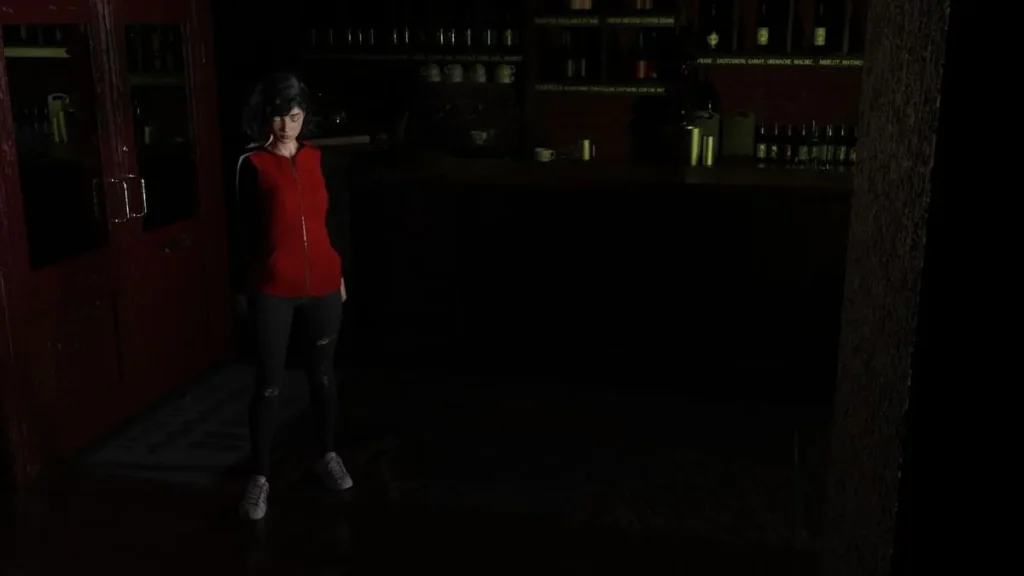
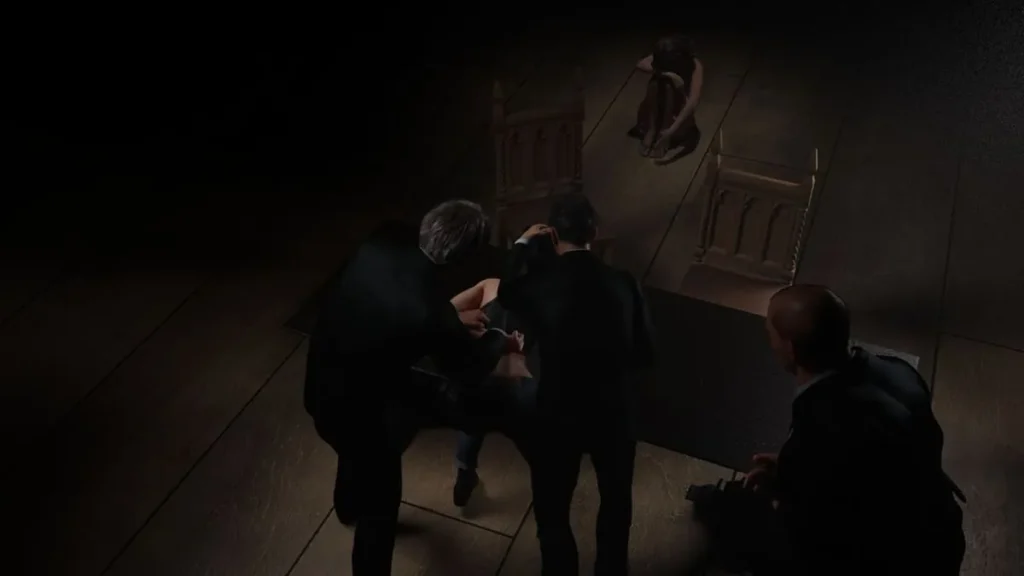
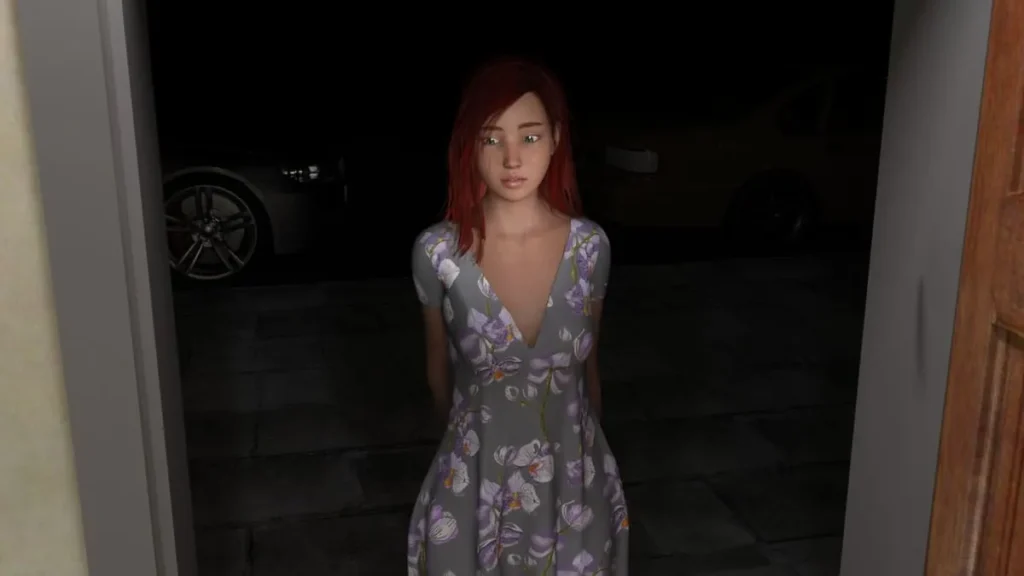

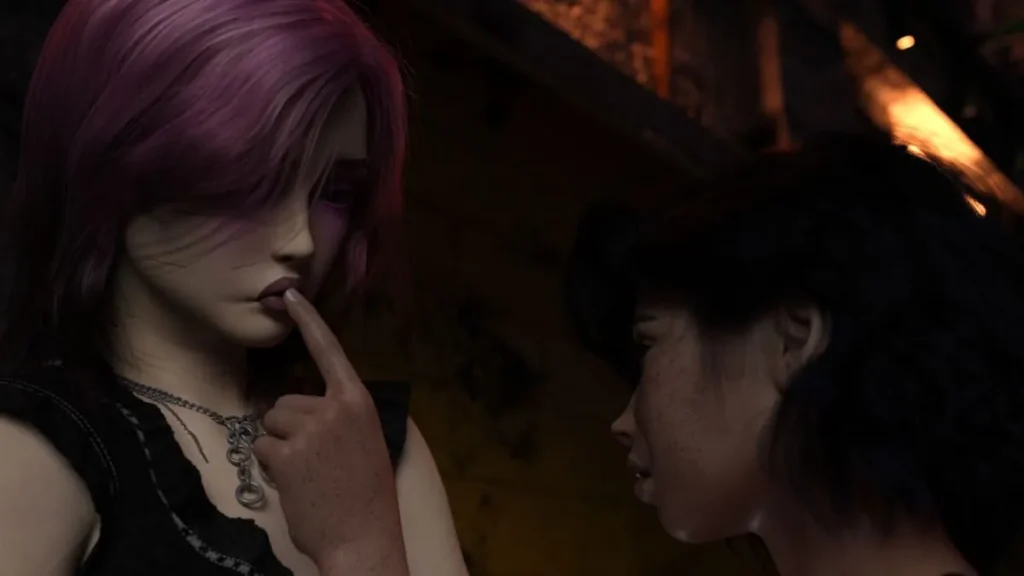

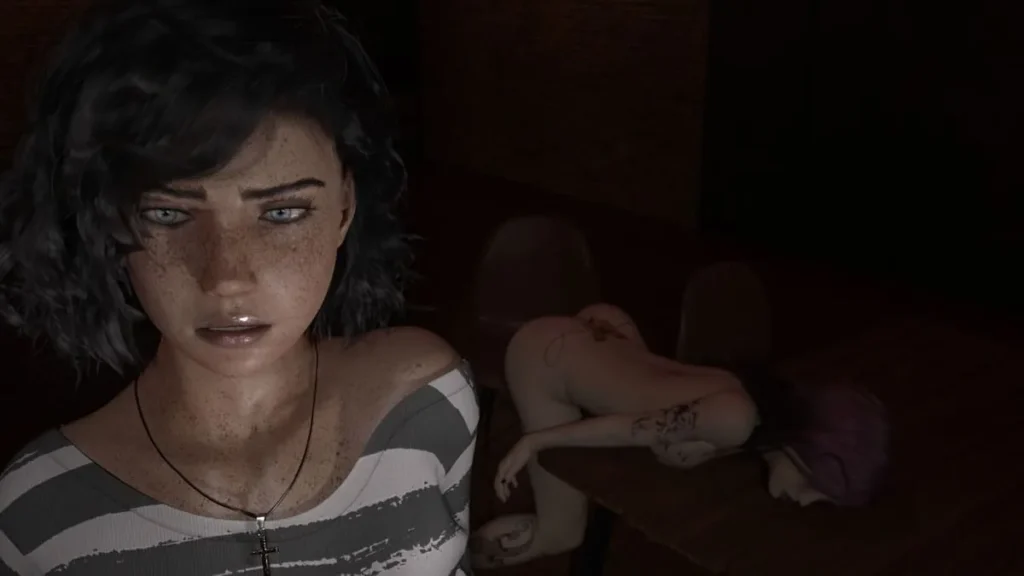








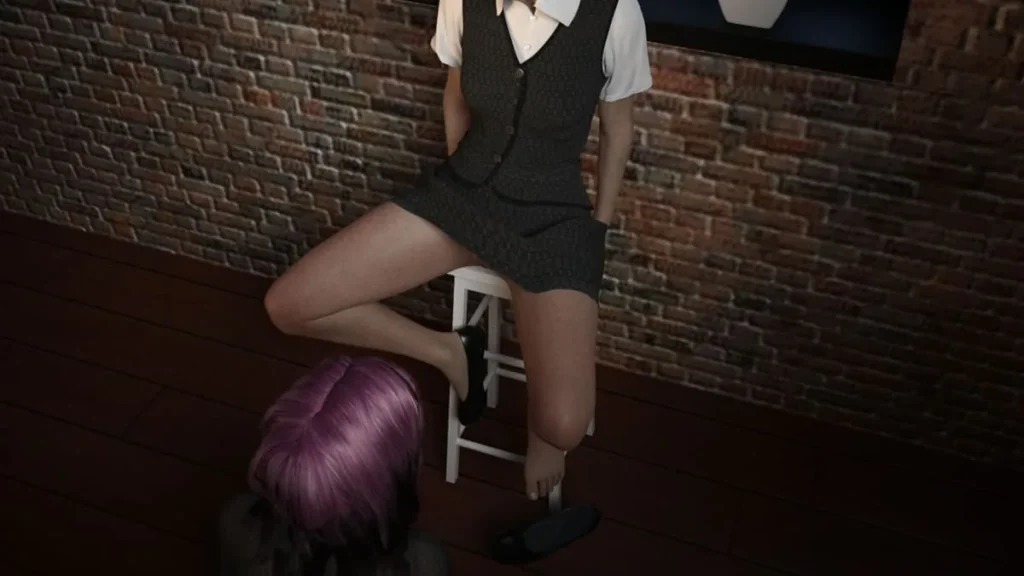
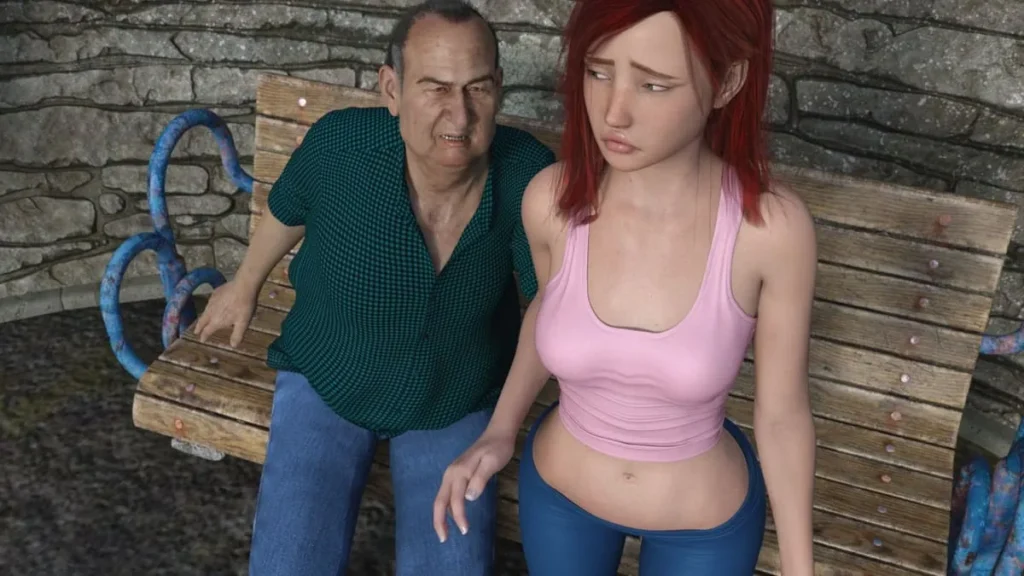
The Theater of Sinners review
Dive into humiliation, corruption, and twisted choices in this gripping Ren’Py game
Ever stepped into a world where every choice drags you deeper into moral chaos? That’s The Theater of Sinners, the Ren’Py visual novel by JustXThings that’s got players hooked on its raw tale of humiliation and corruption. I first stumbled upon it during a late-night scroll, drawn by whispers of psychological depth and branching stories. Version 0.3 Alpha 1 pulls you into the lives of Paula and Rebecca, two girls battling bullies, abusers, and their own demons in a theater of shadows. It’s not just a game—it’s a mirror to the gray areas of desire and redemption. Stick around as I unpack the Theater of Sinners narrative, characters, and tips to shape their fates your way.
Unveiling the Twisted World of The Theater of Sinners
I remember the first time I booted up The Theater of Sinners. I thought I was ready for a dark story. I was wrong. 😅 Within minutes, the game dismantled my expectations, not with a linear march into darkness, but with a chaotic, non-linear barrage of flashbacks and scenes that left me genuinely disoriented. It wasn’t confusing—it was intentional. I was experiencing the fractured psyche of its characters firsthand. That initial shock is your invitation into one of the most compelling psychological fantasy horror experiences in the Ren’Py landscape. So, what is The Theater of Sinners about? At its core, it’s a decision-based descent into a world where humiliation, corruption, and brutality aren’t just themes—they are the very mechanics of storytelling and character development.
What Makes The Theater of Sinners Storyline So Addictive? 🎭
The genius of the Theater of Sinners storyline lies in its structure and its relentless focus on consequence. This isn’t a tale about good people facing evil; it’s about broken people navigating a world that rewards their worst impulses. The narrative is presented through the Grand Théâtre des Ombres (The Grand Theater of Shadows), a brilliant metaphor for the game itself. This spectral stage is where the sins, regrets, and traumas of the protagonists are played out for an unseen audience—and that audience is you.
The Theater of Sinners narrative is interwoven between four main characters, but two arcs often serve as the devastating emotional core. Your choices don’t just alter a scene; they influence deep-seated character stats like Sadism, Masochism, and Self-Harm, which in turn lock or unlock entire branching paths and events. Do you let a moment of cruelty slide, or do you confront it? Your decision might seem small, but it quietly nudges a stat, and five chapters later, you’re presented with a scene you never knew existed—one far darker or, occasionally, one faintly hopeful—because of that earlier choice.
This creates an incredibly addictive loop. You’re not just watching a story unfold; you’re sculpting the pathologies of these characters. The game masterfully builds atmospheric dread through its writing and visuals, making every choice feel weighted with genuine consequence. You start a new playthrough not just to see a different ending, but to understand how a different balance of pain and power changes who these people become.
Key Protagonists: Paula and Rebecca’s Dark Journeys 🔦
To grasp the Theater of Sinners storyline, you must understand its central figures. Their lives are studies in contrasting yet intersecting corruptions.
The Paula Theater of Sinners arc is a brutal exploration of privileged decay. Paula is the daughter of a powerful, wealthy figure, but that privilege is a gilded cage. Her entanglement with a group of teen delinquents begins a slow, insidious process of corruption. What starts as bullying spirals into something far more deviant, as she is pulled between societal expectation and a terrifying new allure. Her path questions whether corruption is something done to you, or a latent desire finally given permission to surface. Her journey is central to understanding the game’s themes of power exchange and the loss of innocence.
On the other side of the spectrum is Rebecca Theater of Sinners. Her story is one of raw, unabated survival. Raised by an addict mother and a viciously abusive step-father, Rebecca’s world is defined by conflict and scarcity. Her inner turmoil is a constant battle—between hatred and a desperate need for connection, between vengeful fury and numb acceptance. Her path is often about agency: in a life where she’s had so little control, how does she claim it, even if through destructive means?
As the developer themselves stated:
“I have focused on abuse, humiliation… and kept the game free so that I could tell this dark story the way it needed to be told.”
This quote frames the entire experience. The stories of Paula, Rebecca, and the other two protagonists are not for shock value. They are raw, character-driven explorations of how cycles of abuse warp the human soul, making their journeys painfully compelling.
How Moral Gray Areas Drive the Psychological Fantasy ⚖️
Forget clear-cut heroes and villains. The Theater of Sinners thrives in the murky, unsettling space of the moral gray areas game. This is its most defining and challenging feature. You will rarely be presented with a “good” choice. Instead, you choose between varying shades of complicity, resistance, surrender, or aggression.
Is it better to encourage a character’s submissive streak to help them avoid a physical confrontation, or to stoke their defiance and risk worse punishment? Is an act of seemingly selfless protection actually a form of control? The game refuses to give easy answers. Your role is to navigate these moral gray areas, and in doing so, you are forced to confront your own boundaries and interpretations.
This ambiguity is the engine of the psychological fantasy horror. The “fantasy” isn’t about escapism; it’s about the terrifying fantasy of giving in to our darkest, most repressed impulses within a safe, digital space. The horror comes from recognizing those impulses within the characters—and perhaps, unsettlingly, within ourselves.
The core themes that make this exploration so potent include:
* Humiliation & Corruption: The processes by which spirit and dignity are eroded or willingly traded.
* Cycles of Pain: How abuse begets trauma, which often leads to further abusive behavior.
* The Weight of Guilt: The crushing burden of past actions and failures to act.
* Moral Ambiguity: The constant, exhausting evaluation of the “lesser evil.”
To get the most out of this dense narrative, here’s some actionable advice from my many, many playthroughs:
Savor the dialogue. The true character development often hides in subtle exchanges and internal monologues. Skimming will cause you to miss crucial nuances.
Track your stats religiously. After key scenes, check the character stats screen. Understanding what your choices are actually affecting is key to mastering the Theater of Sinners narrative.
Embrace replays. This game is built for them. Let your first run be instinctive. Use subsequent playthroughs to explore specific stat builds and unlock the countless branching events.
To help visualize the branching narrative mechanics, here’s a simplified look at how choices can cascade:
| Your Choice (Example) | Stat Influenced | Potential Branching Consequence |
|---|---|---|
| Intervene in a bullying scene aggressively | Increases Sadism (for you) / Fear (for target) | Unlocks later scenes where you are seen as a dominant figure; may close off paths of mutual trust. |
| Endure humiliation silently | Increases Masochism / Resentment | Opens story arcs focused on internal suffering and powerlessness; may lead to specific self-harm triggers. |
| Offer a unexpected kindness | Subtly alters Relationship Score | Can unlock rare, softer scenes that reveal a character’s hidden vulnerabilities, but may make them more dependent. |
Ultimately, The Theater of Sinners is a brilliant, punishing, and unforgettable experience for fans of dark psychological horror. It doesn’t just tell a story about damaged people; it makes you an active participant in their damage. The Theater of Sinners storyline challenges you, disturbs you, and refuses to leave your thoughts long after you close the game. If you have the fortitude to step onto its stage, you’ll find one of the most narratively ambitious and emotionally resonant visual novels ever created.
From Paula’s descent into deviance to Rebecca’s battle against her past, The Theater of Sinners masterfully weaves humiliation, corruption, and redemption into a web of choices that feel profoundly personal. My own runs showed how one decision can spiral into unexpected alliances or betrayals, making every playthrough fresh and haunting. Whether you’re drawn to the psychological twists or the raw character arcs, this Ren’Py gem delivers thrills in a morally blurred world. Grab version 0.3 Alpha 1, dive in, and shape their fates—your next choice awaits. What’s your first move going to be?