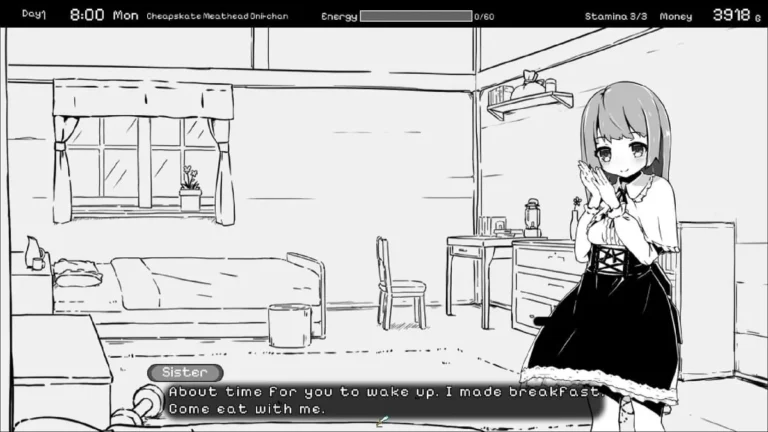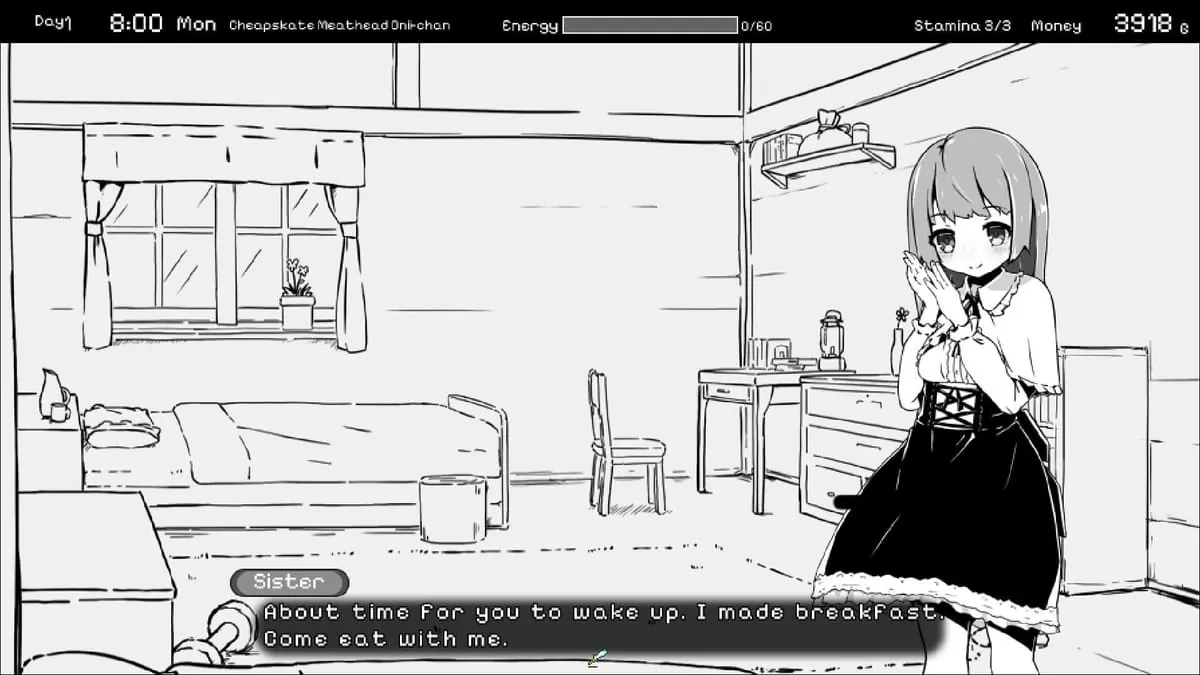
Living With Sister: Monochrome Fantasy Screenshots
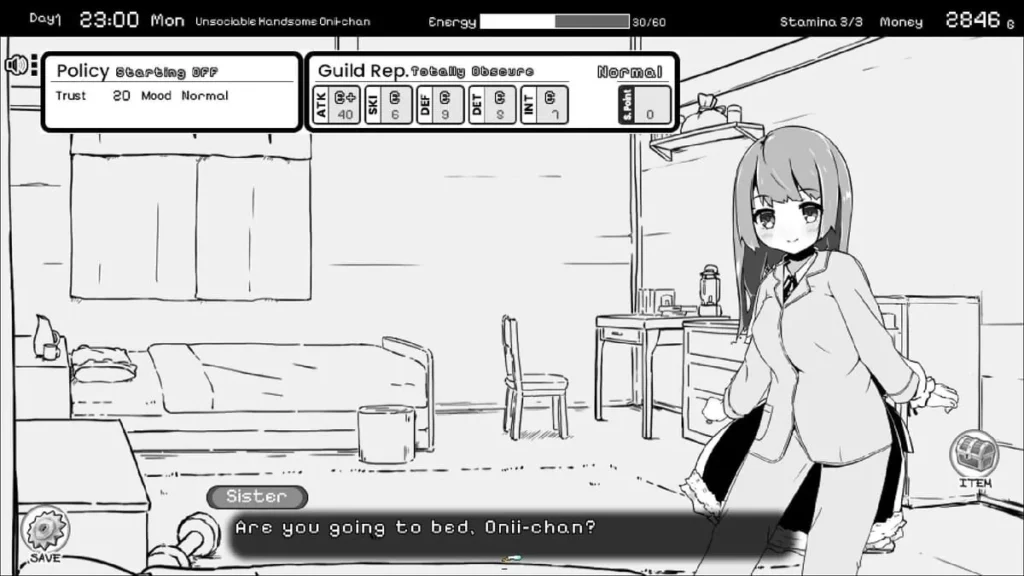
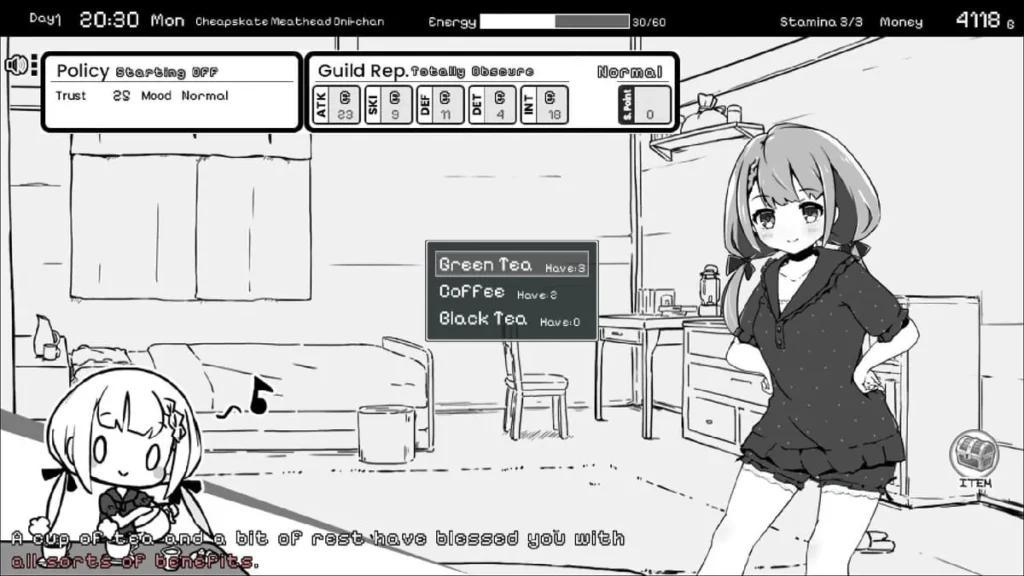
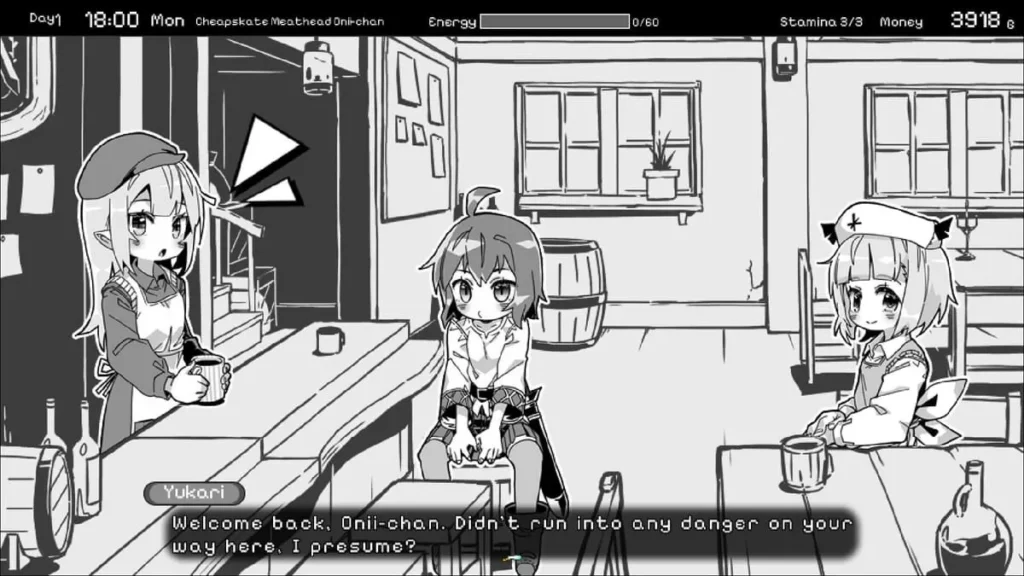
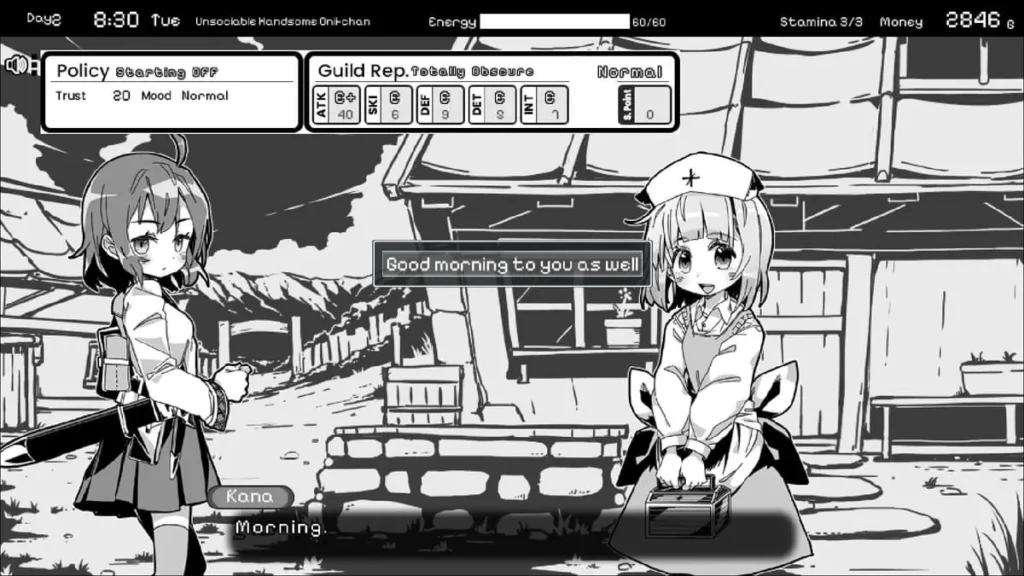
Living With Sister: Monochrome Fantasy review
Master gameplay mechanics, character relationships, and strategic tips for this unique simulation adventure
Living With Sister: Monochrome Fantasy is a distinctive simulation and time management game that blends adventure, character development, and strategic decision-making. Players take on the role of a protagonist caring for their sickly sister while working with the Adventurers Guild to pursue their dream of becoming an adventurer and finding a cure for their sister’s illness. This comprehensive guide explores the core gameplay systems, character relationships, strategic progression tips, and essential mechanics that will help you maximize your experience and unlock all the game’s content.
Core Gameplay Mechanics and Daily Systems
Mastering Living With Sister: Monochrome Fantasy gameplay means becoming a maestro of the clock. At its heart, it’s a deep time management simulation game mechanics experience that will have you meticulously planning every hour of your in-game day. 🕐 I remember my first playthrough, thinking I could just wing it—I spent a week in-game just wandering town and barely improving my stats. My guild reputation tanked, and let’s just say my sister was… unimpressed. You learn quickly that success here is all about strategic planning.
Your daily life is split into distinct phases: Daytime (Guild Activities), Weekends (Town Visits), and Nighttime (Sister Interactions). Each phase offers unique actions that feed into different aspects of your progression. The pressure is real! You’ll constantly be juggling the need for gold, stat growth, relationship depth, and guild standing. But don’t worry, with a solid grasp of the daily loop, you’ll go from overwhelmed to efficient in no time. Let’s break down the rhythm of your new virtual life.
Understanding the Day-Night Cycle and Time Management
The calendar is your true interface in this game. Each day, you have a set number of action points, primarily dictated by your Stamina. Morning and afternoon are dedicated to your guild duties—this is your primary source of income and core stat development. Evenings are for winding down at home, and here’s where the “Living With Sister” part shines: you can choose to interact with your sister to build your relationship, or focus on personal activities like reading or crafting.
Weekends are your precious free time. The guild is closed, opening up the entire town for you to explore. 🏙️ This is your chance to shop for gear, gather rare materials for the alchemy system and item usage, or take on special part-time jobs that might not be available during the week. It’s a critical period for resource optimization.
The key is balance. Spend all your time at the guild, and your sister’s storyline stagnates. Spend all your time at home, and you’ll be too weak and poor to progress. The most rewarding path weaves both threads together. Here’s a quick visual guide to your typical daily options:
| Time Phase | Available Actions | Primary Benefits |
|---|---|---|
| Daytime (Weekdays) | Undertake Guild Quests, Guild Training, Rest | Gold, Stat Increases, Guild Reputation, Stamina Recovery |
| Weekend | Town Exploration, Shopping, Special Jobs, Material Gathering | Item Purchases, Alchemy Materials, Alternate Income |
| Nighttime | Sister Conversation, Study, Craft, Sleep Early | Relationship Points, Skill Gains, Item Creation, Bonus Stamina |
🛏️ Pro Tip from a Veteran: Always prioritize buying the Feathered Bed from the furniture store as your first major purchase. It significantly boosts the Stamina you recover each night, effectively giving you more actions every single day. It’s the single best investment for your long-term time management simulation game mechanics.
Guild Quests, Training, and Battle Systems
Your guild is your career, your gym, and your social ladder all in one. The guild quests and training systems are the engines of your character’s professional growth. Think of Quests as your on-the-job training: you get paid a decent sum of gold and earn small increases to a variety of stats related to the task. Training, on the other hand, is focused. You pay a gold fee to specifically train one stat (like Strength, Agility, or Magic) for a larger, guaranteed gain.
So, which should you choose? Early on, I recommend mixing both. Quests are fantastic for resource optimization because they pay you and make you stronger. Use them to build a financial cushion. Once you have a steady income, lean more heavily into Training to shore up specific weaknesses or build toward a particular combat style. Your guild’s reputation also increases as you complete quests, unlocking harder, more rewarding jobs.
Then, every few in-game days, the real test arrives: Guild Battles. 🤺 These are mandatory events, and the stakes are high. Losing a guild battle isn’t just a minor setback—it can significantly damage your guild rank and morale. How to win guild battles comes down to preparation.
- Scout the Enemy: Before the battle, you can usually gather intel on the opponent’s strengths. Use this! If they are magic-heavy, equip magic defense gear or train your resistance.
- Skill Selection: This is where your skill points and character progression planning pays off. Ensure you have a balanced set of offensive and defensive abilities equipped. Don’t just rely on basic attacks.
- Item Ready: Have healing potions and stat-boosting items from the alchemy system and item usage ready in your combat inventory. A well-timed potion can turn the tide.
Winning these battles grants huge reputation boosts, rare rewards, and a deep sense of accomplishment. They are the punctuation marks in your guild career, so treat them with the seriousness they deserve.
Managing Resources and Stamina Effectively
This is where many players hit a wall. You have grand plans, but your stamina bar says “no.” Stamina management and resource optimization are the defining skills for advanced play. Your Stamina dictates how many major actions you can take in a day. Once it’s depleted, your only options are low-impact activities or going to sleep.
Here’s the golden rule: Never let your stamina hit zero during a daytime action if you can help it. Why? Because passing out from exhaustion sends you straight to bed, skipping any potential nighttime interaction with your sister. It’s a huge opportunity cost. Always keep a small buffer.
Investing in your Stamina Cap is crucial. You can increase it permanently through certain story events, rare items, or by achieving specific milestones. A larger cap means you can take more training sessions or tackle longer quests in a single day, supercharging your progression speed.
Your other key resources are Gold, Materials, and Skill Points. Gold flow comes from quests and weekend jobs. Materials are gathered in town or found on quests for use in alchemy. Skill Points are earned through leveling up and are the currency for your skill points and character progression.
- Check Your Skills Menu Religiously! 🧠 This is so important. New skills often unlock as your stats reach certain thresholds, but they remain inactive until you spend your hard-earned skill points to learn them. I’ve seen players reach a major battle with a full pool of unspent points and a list of locked powerful abilities. Don’t be that person!
- Alchemy is Your Best Friend: The alchemy system and item usage is more than just making health potions. You can craft permanent stat-boosting elixirs, powerful combat buffs, and valuable gifts for your sister. Save your rare materials for these high-value creations instead of selling them for quick cash.
To get you started on the right foot, here’s my personal priority list for early-game investments:
- The Feathered Bed: As mentioned, this is non-negotiable for better stamina recovery.
- Basic Tool Set: Increases the quality and quantity of materials you gather, fueling your alchemy.
- Stamina Cap Investments: Whenever the game offers a permanent increase, take it.
- Key Combat Skill: Unlock one powerful, reliable attack skill for guild battles early on.
- A Stock of Basic Healing Potions: Don’t walk into your first guild battle without them.
Finally, a word on the long game. Living With Sister: Monochrome Fantasy features a New Game+ mode. When you finish the story, you can restart with bonuses like carrying over some of your stats, gold, or items. This is fantastic for experiencing different story branches or optimizing a “perfect” run. Use your first playthrough to learn the Living With Sister Monochrome Fantasy gameplay loops, experiment, and make mistakes. Then, in New Game+, you can execute your master plan with incredible efficiency, marrying the time management simulation game mechanics with deep narrative exploration perfectly.
Living With Sister: Monochrome Fantasy offers a rich blend of simulation, strategy, and character-driven storytelling that rewards careful planning and exploration. By mastering the core gameplay mechanics, understanding character relationship systems, and implementing advanced progression strategies, you’ll unlock the full depth of this unique adventure. Whether you’re pursuing specific endings, developing all character relationships, or optimizing your stat distribution, the game’s New Game+ system ensures that each playthrough builds on previous knowledge. Take your time exploring the world, visiting town regularly to trigger events, and don’t hesitate to restart if you hit a progression wall—the bonuses make subsequent playthroughs more enjoyable. With patience and strategic thinking, you’ll discover why this monochrome fantasy has captivated players seeking a meaningful simulation experience.