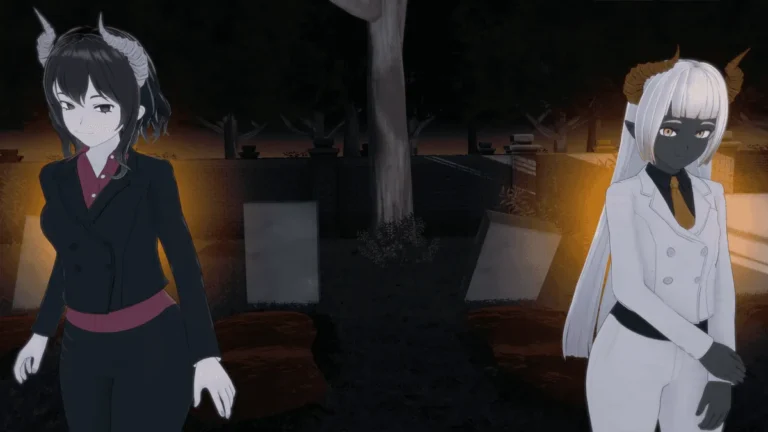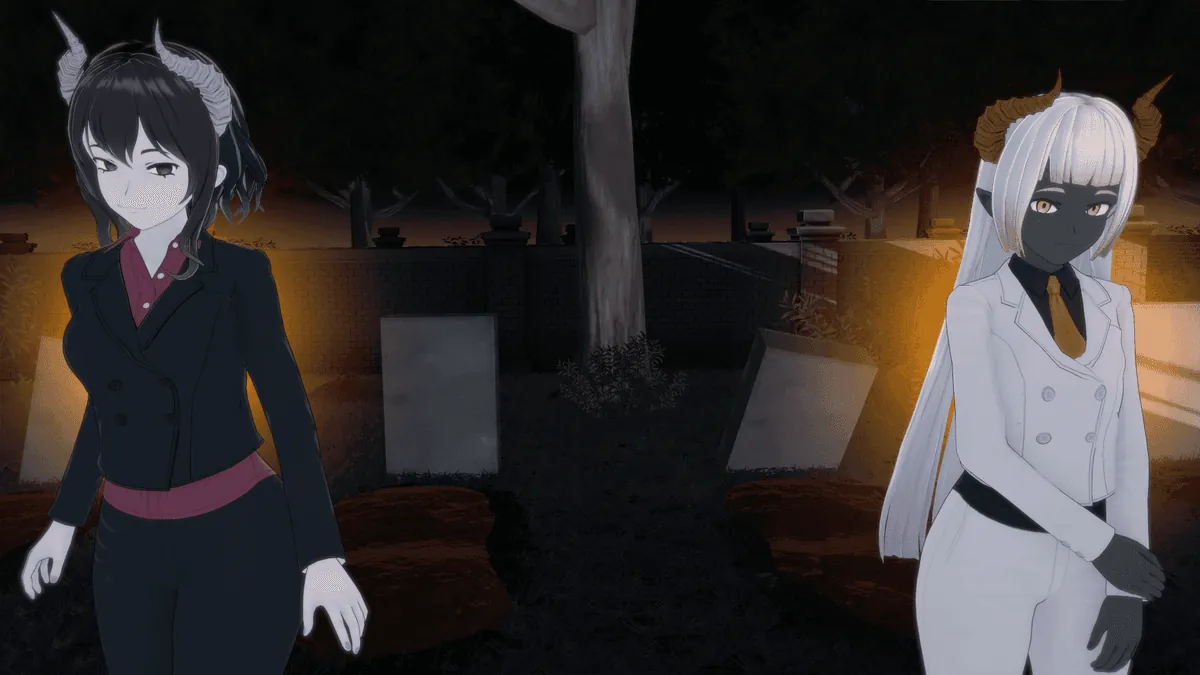
Demons of the Hearth
Play Demons of the Hearth
Demons of the Hearth Screenshots

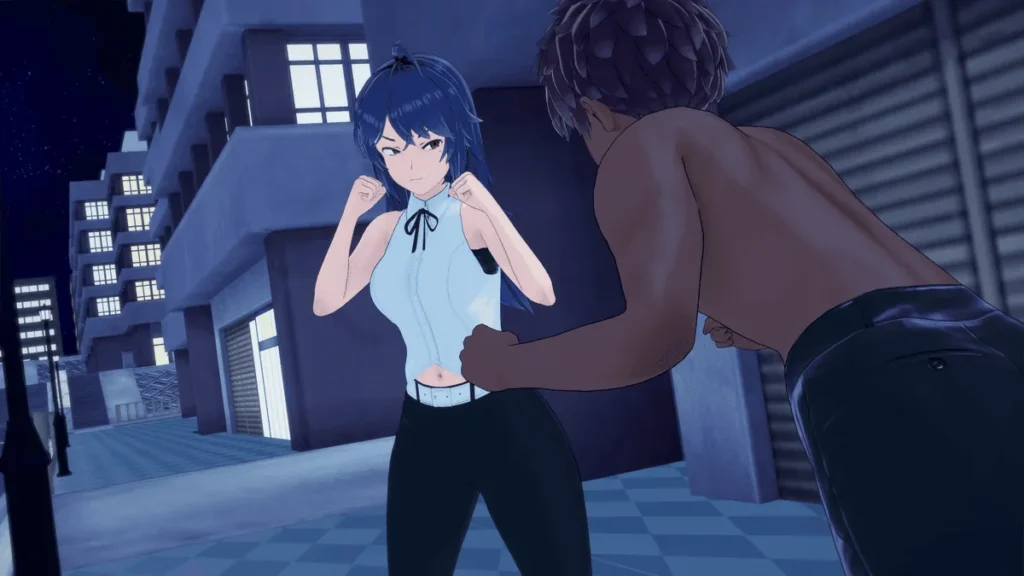
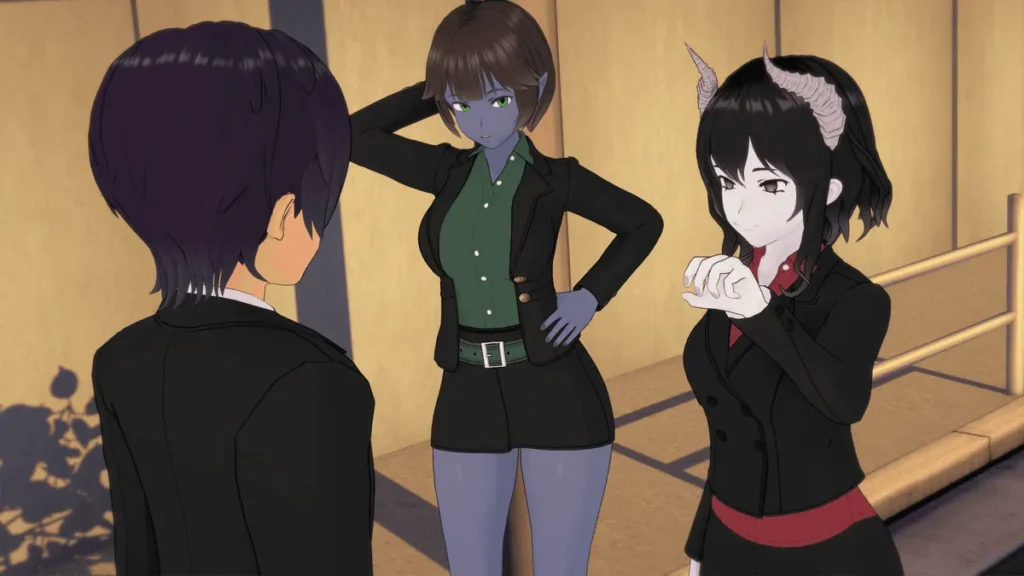
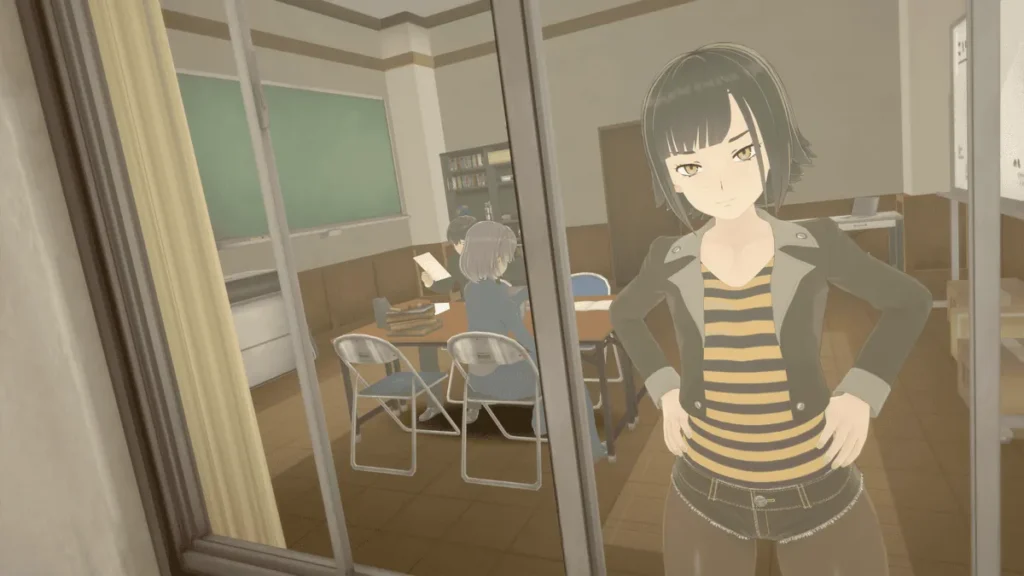

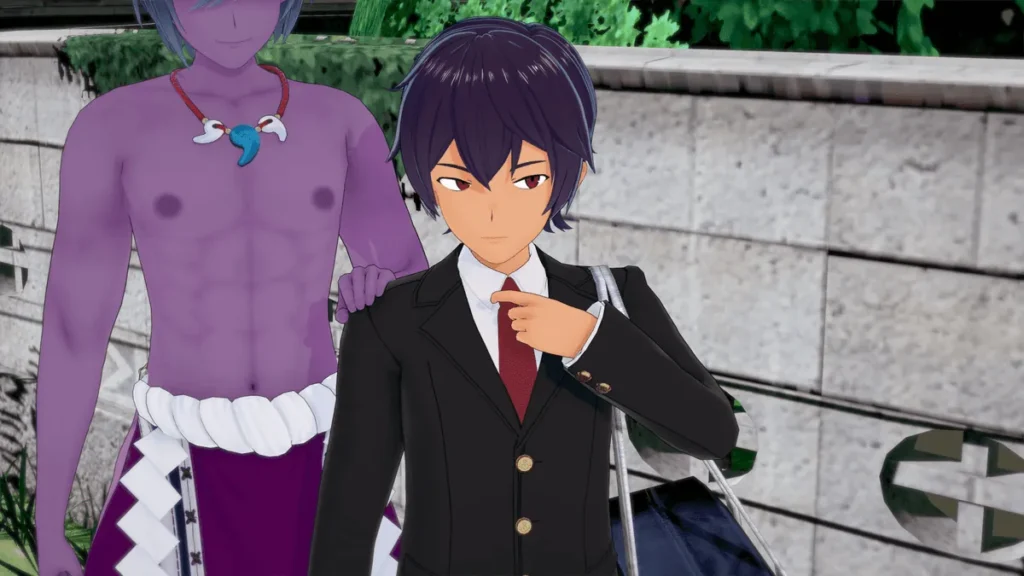
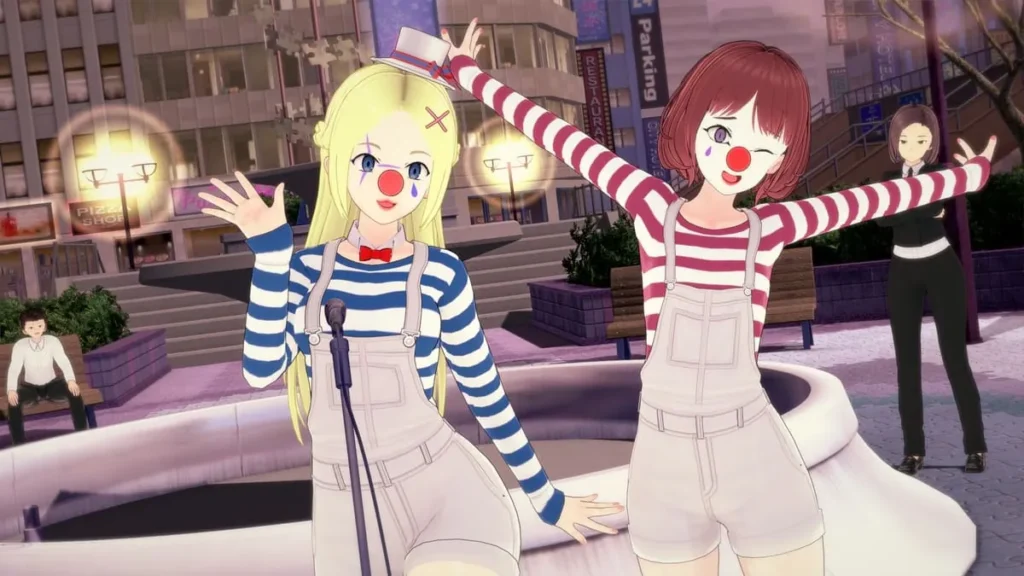
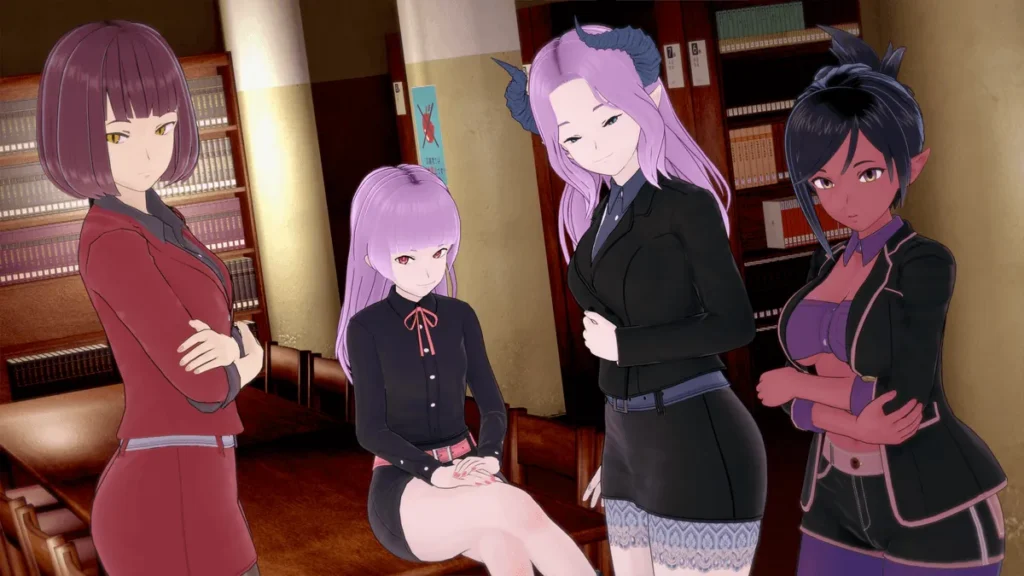
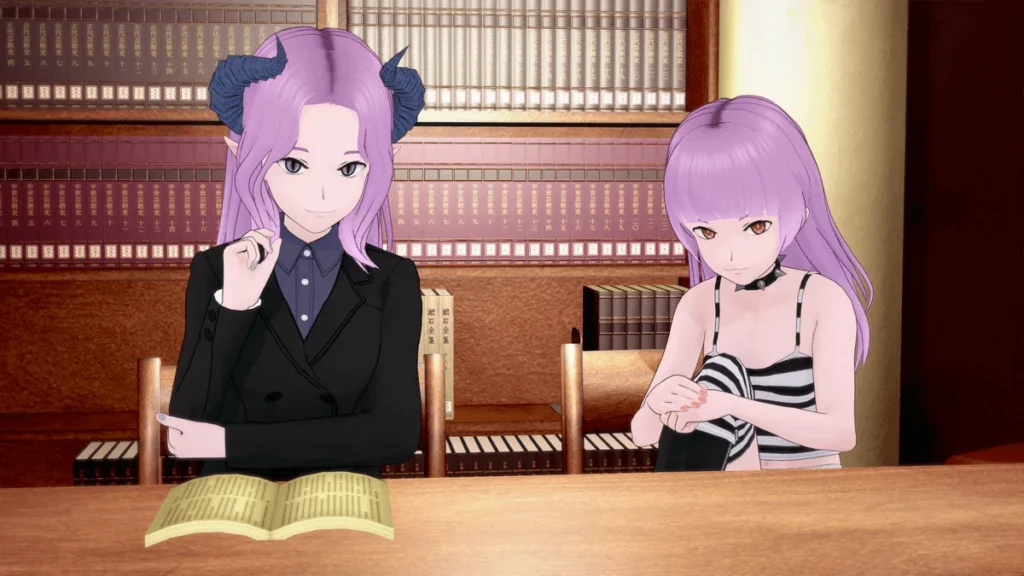
Demons of the Hearth review
Dive into Interactive Storytelling, Characters, and Immersive Gameplay
Imagine inheriting a rundown family home filled with secrets, quirky relatives, and a neighbor who knows more than he lets on—that’s the gripping setup of Demons of the Hearth. This interactive visual novel by Nyannyann hooks you from the start with its deep narrative about healing family bonds and uncovering hidden truths. I’ve sunk hours into it, feeling my heart race during tense side quests and emotional dialogues. If you’re wondering what makes Demons of the Hearth stand out in the adult gaming world, this guide breaks down the story, characters, trust system, and tips to master its sandbox elements. Get ready to rebuild your hearth in ways you never expected.
What Makes Demons of the Hearth’s Story So Addictive?
I’ll be honest, I booted up Demons of the Hearth expecting a spooky ghost story. 👻 What I got instead was a family drama so gripping, so messy, and so brilliantly written that I lost an entire weekend to it. I was immediately hooked by that initial premise: you’re the estranged heir returning to a crumbling manor, tasked with rebuilding both a physical house and the shattered relationships within it. This wasn’t just a game; it felt like stepping into the lead role of a deeply interactive, emotionally charged movie. The Demons of the Hearth story isn’t about literal monsters—it’s about the secrets, grudges, and regrets that haunt every family, and that’s what makes it utterly addictive.
So, what’s the secret sauce? Let’s pull back the curtain on the narrative magic that makes this game impossible to put down.
Unpacking the Core Narrative and Family Drama 🏚️
At its heart, the Demons of the Hearth plot is a masterclass in slow-burn tension. The core loop of repairing the manor and reconnecting with your quirky, suspicious relatives is deceptively simple. But with every repaired wall and every cautious conversation, you’re peeling back layers of a much larger mystery. Why was the family torn apart? What really happened to the previous patriarch? The game drip-feeds you clues through environmental details, off-hand remarks, and discovered heirlooms, making you the detective in your own family saga.
The brilliance of the Demons of the Hearth narrative lies in its interactive storytelling. Your choices in dialogue aren’t just “good” or “bad”—they actively shape your character’s personality and, more importantly, how each family member perceives you. Are you the compassionate peacemaker, the shrewd business-minded heir, or the rebellious troublemaker stirring the pot? The game remembers everything, and these hidden relationship stats silently steer the course of the main story.
The progression through the Demons of the Hearth chapters (from the foundational Chapter 1 all the way to the latest twists in updates like 4.1) feels organic. You’re not just clicking through a linear visual novel. Key story beats often trigger based on your actions or the state of the house. I remember one pivotal moment vividly: I had spent days carefully building trust with my stern aunt, choosing supportive dialogue options and helping with her projects. When a massive argument broke out in the main hall about selling the estate, she unexpectedly spoke up in my defense. That moment felt earned, a direct result of my choices, not a pre-scripted event. It was a powerful reminder that in this game, you’re writing the script as you go.
How Side Quests Build Tension and Replayability 🔍
If the main plot is the sturdy spine of the story, then the Demons of the Hearth side quests are the nerve endings that make the whole world feel alive and reactive. These aren’t mundane fetch quests. They are intricate, emotional short stories that often tie directly back to the central themes of legacy and secrecy.
One side quest had me investigating strange noises in the old greenhouse at night, which spiraled into uncovering a generations-old romantic scandal buried in the family ledgers. Another involved helping a local historian, which accidentally revealed a hidden property deed that completely changed my negotiation power with a certain relative. These quests do more than just give you resources; they build tension by exposing the fragile foundations the family is built on. You’ll have heart-pounding moments of discovery that make you pause and think, “Does my character even want to know this truth?”
And this is where the genius replayability kicks in. Many side quests have specific triggers. The game’s world has a state—certain events only occur if other conditions are met. For instance, you won’t stumble upon the chilling “serial killer” mystery thread in town unless there have been specific, earlier reports of disappearances that you might have even overheard. This design encourages you to play differently each time, exploring new locations at different times of day or in different emotional states to unlock entirely new story threads.
The branching paths of the Demons of the Hearth story are largely governed by these underlying systems. To help visualize how your actions cascade, here’s a look at how core trust levels can diverge your experience:
| Trust Level | Key Narrative Events | Long-Term Outcome |
|---|---|---|
| High Trust (Family Unity) | Relatives confide secrets voluntarily; family meetings are cooperative; unlock joint restoration projects. | Potential for a “Legacy Reborn” ending where the manor and family bonds are restored together. |
| Neutral/Mixed Trust | Information comes at a cost (favors, money); tense alliances form; some family members may leave. | A more ambiguous, “Bittersweet Inheritance” ending where you save the house but lose some relationships. |
| Low Trust (Open Conflict) | Arguments escalate into sabotage; legal challenges to your inheritance; dark family secrets are used as weapons. | Leads to dramatic “Scorched Earth” or “Lone Survivor” endings where you claim the estate through force or cunning, often alone. |
Question: Can Choices Really Change the Ending in Demons of the Hearth?
In a word: absolutely. 🎯 This is the cornerstone of what sets Demons of the Hearth apart from more linear narrative games. Your choices don’t just change a final scene; they fundamentally alter the journey and the destination. The game features multiple definitive endings, and the path to each is paved with hundreds of small decisions.
It’s not about a single “right” or “wrong” choice at a critical junction. Instead, it’s the cumulative weight of your actions. Did you prioritize restoring the family chapel over the lucrative stables? That might sway the religious uncle to your side. Did you consistently pry for information aggressively? Family members will become closed-off, locking you out of their personal quests and the crucial insights they provide. The Demons of the Hearth plot branches like a real family tree—sprawling, interconnected, and full of surprising turns based on lineage and alliance.
I learned this the hard way on my first playthrough. I was playing a “nice” character but also a nosy one, digging into everyone’s business thinking I was helping. By the final act, I had solved the major mystery, but I was alone in a beautifully restored manor. My family had all left, unable to forgive my intrusive methods. The house was saved, but it was empty—a truly haunting conclusion I didn’t see coming. It was a powerful lesson that in this game, your how matters just as much as your what.
Your Blueprint for Narrative Mastery: Progression Tips 📖
Diving into a story this rich can be daunting. Here are my hard-earned Demons of the Hearth progression tips to help you steer the narrative and avoid common pitfalls:
Pro Tip: The game’s main menu often has subtle environmental hints. A picture slightly askew or a new object on the mantle can signal a new available event in the world.
- Talk, Then Explore. 🗣️ Before you spend all your energy on a repair, exhaust dialogue options with family members in the morning. They often give hints for the day or trigger quests that make your restoration work more impactful (and rewarding).
- Time and Place are Everything. ⏰ Many key events for the Demons of the Hearth chapters trigger at specific locations during specific times (Day, Dusk, Night). If you’re stuck, try visiting core areas like the Main Hearth, the Library, or the Gardens at a different time of day.
- Monitor the World State. 🌍 Pay attention to newspaper headlines, overheard town gossip, and even the weather. These aren’t just ambiance; they signal the availability of major Demons of the Hearth side quests and plot events. No serial killer storyline without first hearing rumors of disappearances!
- Embrace the Mess. The Demons of the Hearth narrative is non-linear and sometimes chaotic—like real family drama. Don’t reload a save every time something goes “wrong.” Some of the most memorable story moments come from dealing with unintended consequences.
- Plan for Multiple Journeys. 🔄 To truly experience the breadth of the Demons of the Hearth story, plan at least two contrasting playthroughs: one as a unifying peacemaker, and one as a self-interested heir. You’ll be shocked by how different the story beats, available quests, and endings can be.
The true magic of Demons of the Hearth is that it understands a simple truth: the most compelling stories aren’t about saving the world, but about saving (or understanding) what’s right in front of you. Its addictive power comes from handing you the tools to navigate that deeply personal, beautifully complicated journey, one consequential choice at a time. Now, if you’ll excuse me, I have a manor to rebuild… differently this time.
Demons of the Hearth masterfully weaves family drama, trust-building, and thrilling side quests into an interactive experience that lingers long after you close it. From the pragmatic sister to the witty neighbor Rhys, every character pulls you deeper into their world, with choices that truly matter. My own playthroughs revealed layers of emotion and surprises I couldn’t predict—it’s that rare game blending story and intimacy seamlessly. If you’re craving a visual novel with heart (and heat), download it now from itch.io, experiment with trust mechanics, and share your wildest endings in the comments. Your next obsession awaits at the hearth.