A House in the Rift
Play A House in the Rift
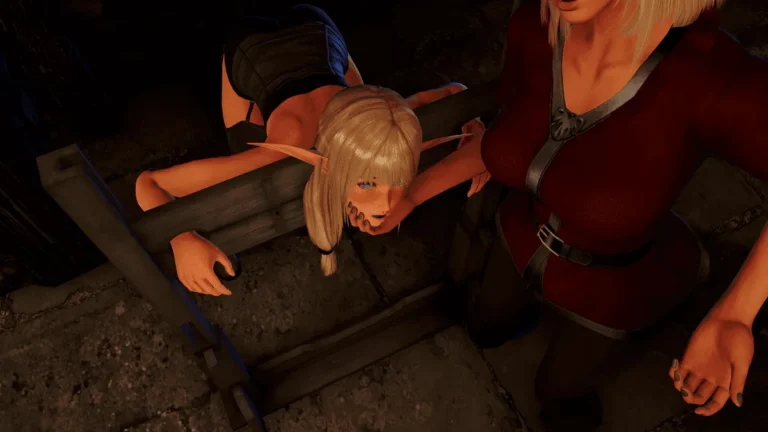
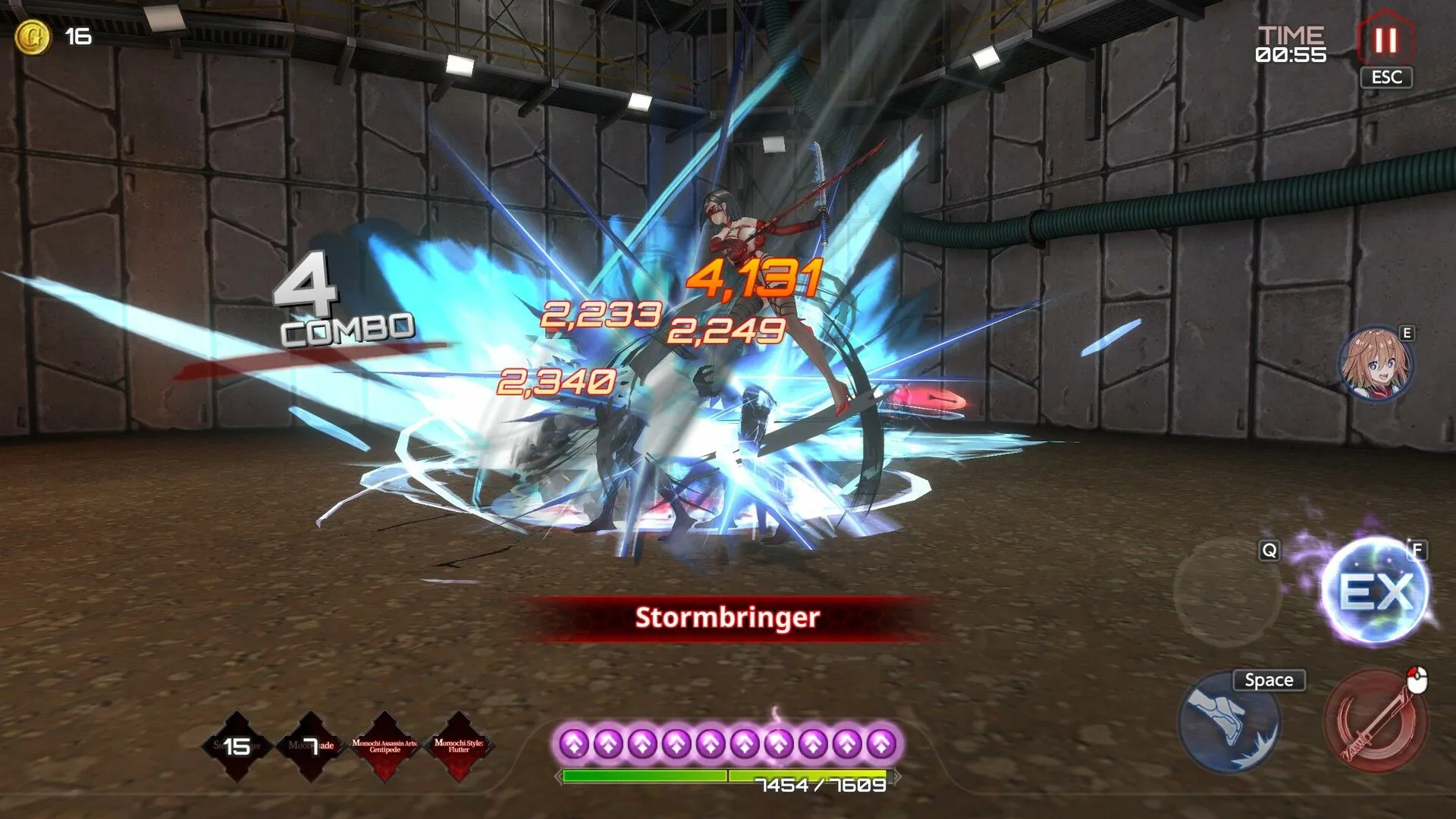
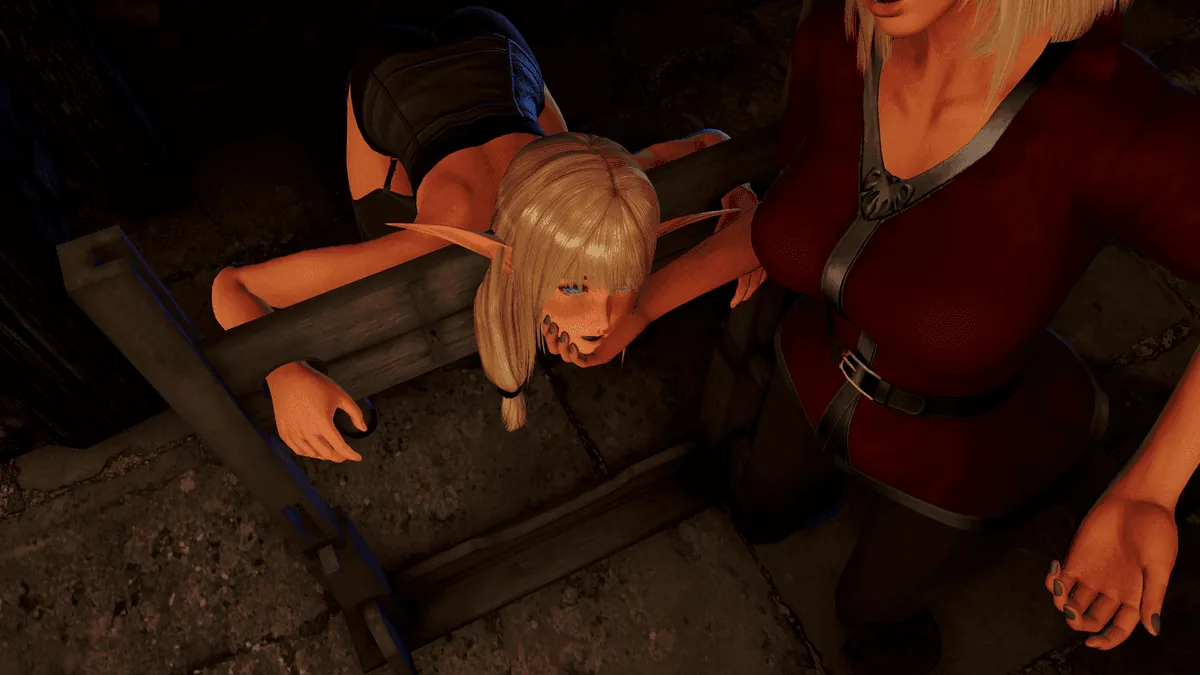
A House in the Rift Screenshots


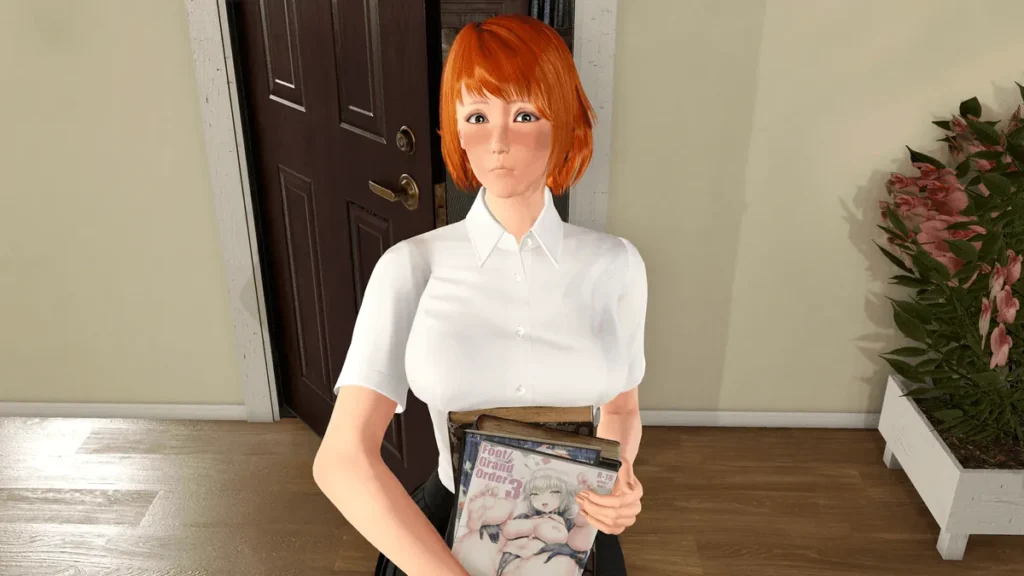







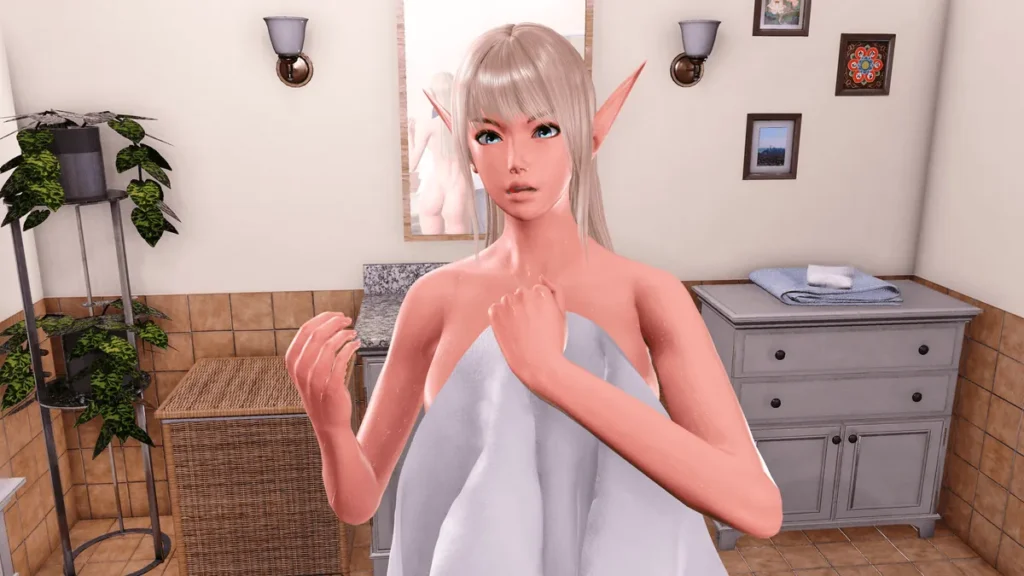






A House in the Rift review
Everything you need to know about gameplay, mechanics, and character interactions
A House in the Rift stands out in its genre by creating a believable, immersive world that goes beyond typical game conventions. Rather than feeling like an empty set, the game builds a rich environment with meaningful character interactions and a cohesive narrative structure. Whether you’re new to the game or looking to deepen your understanding of its mechanics, this guide covers everything from navigation systems to character progression. The game has evolved significantly since its initial release, with developers continuously refining core systems based on player feedback. Understanding these mechanics will enhance your gameplay experience and help you make the most of what the game offers.
Understanding Core Gameplay Mechanics and Systems
Stepping into the mysterious, ever-shifting world of A House in the Rift can feel overwhelming at first. You’re surrounded by intriguing characters, cryptic notes, and a mansion that seems to have a mind of its own. I remember my first few in-game days, running in circles, missing key interactions because I was in the wrong place, and constantly feeling broke. It was frustrating! But then, I started to understand the rhythm of its systems. The true magic—and the key to progression—lies in mastering its interconnected gameplay mechanics. 🗝️
This chapter will break down the core systems that make the world tick: how to navigate effectively, track down your favorite characters, manage your quests, and handle your wallet. Think of this as your survival guide to going from a confused newcomer to a confident resident of the rift.
How the Navigation and Map System Works
Forget about sprawling open worlds; the challenge in A House in the Rift is mastering a compact, time-sensitive space. The core of your exploration is a point-and-click style map. This isn’t just a static image; it’s your dynamic planning tool and the heart of the map navigation features. 🗺️
When you open your map, you’ll see a list of available locations within the house and its immediate grounds—rooms like the Library, Kitchen, Main Hall, or outdoor areas like the Garden. The genius part? This interface often shows you who is currently where. A character’s portrait or name will typically be listed next to their present location, but there’s a crucial catch: this is only a snapshot of the current time of day.
Characters in the rift follow schedules. Lyanna might be reading in the Library in the afternoon but practicing archery in the Garden in the evening. This is where planning comes in. The map doesn’t show you future movements, so you need to learn patterns or use your quest log for hints.
Pro Tip: Always check the map when you first advance the time of day (Morning, Afternoon, Evening, Night). It’s your quickest way to get a bead on everyone’s starting position for that period.
Here’s a practical, step-by-step method I use every single gaming session to make sure I never miss an important encounter:
- Start with the Quest Log: Before you even look at the map, open your quest log. See what your active goals are and which characters they might involve. This gives your exploration a purpose.
- Check the Map for “Now”: Open the map and note where every character is currently located. This is your baseline.
- Plan Your Route: Mentally plot a path. If you need to talk to Rae in the Study and then give an item to Lyanna in the Garden, figure out the most efficient order. Sometimes you may need to trigger an event with one character to make another available elsewhere.
- Time Your Interactions: Remember that some conversations or scenes will advance time automatically. If you have multiple things to do in one “time block,” do the shorter interactions first.
- Explore Empty Rooms: Don’t just chase portraits. Clicking on locations where no one is listed can sometimes reveal hidden items, new interaction points, or even trigger environmental storytelling that leads to new quests.
Mastering this flow is the single most important skill for efficient progression. It turns the game from a guessing game into a strategic adventure.
Character Location Tracking and Quest Progression
The character location tracking system and the quest progression guide mechanisms are two sides of the same coin. One tells you where people are, and the other tells you why you need to find them. 🎯
Let’s talk about tracking first. While the map shows present locations, the game has a more subtle way of teaching you schedules. Pay close attention to dialogue. A character might say, “I usually train in the basement in the mornings,” or “I’ll be in the library later if you need me.” The game rewards you for listening. There are also rare continuity bugs that have been mostly cleaned up by the developers, but they served as a reminder: the game is constantly tracking relationship states, item flags, and time-based triggers behind the scenes.
This is where your quest log system becomes your best friend. Think of it not just as a checklist, but as your personal detective notebook. When you get a new objective, it’s recorded here. The beauty of the quest log system explained simply is this: it often provides context and clues, not just commands. Instead of “Talk to Lyanna,” it might say, “Lyanna seemed worried about something in the garden. Find her in the evening to see what’s wrong.” This directly ties the quest progression guide to the character location tracking system.
Your progression is gated by a combination of factors:
* Relationship Points: Often earned through successful conversations and completing character-specific tasks.
* Story Triggers: Certain main plot points only unlock after a set number of days or after key events with multiple characters.
* Item Acquisition: You might need to find a specific book, ingredient, or key, which requires exploring the right place at the right time.
To effectively find characters in A House in the Rift, combine your systems:
1. Use the quest log clue (“Find Zoe in the evening”).
2. Advance time to Evening.
3. Open the map to see exactly which room Zoe is in.
4. Go there and interact.
It’s a satisfying loop of clue, planning, and execution. To visualize a typical day, here’s a simplified example of how schedules might intertwine:
| Character | Morning | Afternoon | Evening |
|---|---|---|---|
| Lyanna | Main Hall | Library | Garden |
| Rae | Study | Basement | Her Room |
| Zoe | Kitchen | Greenhouse | Main Hall |
☝️ This is just an example pattern—part of the fun is discovering everyone’s unique routines yourself!
Managing In-Game Resources and Economy
Let’s be honest: the in-game economy and resources in A House in the Rift can feel tight, especially in earlier versions of the game. You’ll often want that special item from a hidden vendor or need materials for a craft, only to find your wallet empty. I’ve been there, staring at a priced item and groaning. 💸
Money is earned primarily through a few key methods:
* Advancing the Story: Completing major plot milestones often comes with a monetary reward.
* Quests: Many character-specific side quests will pay you upon completion.
* Mini-Games/Occasional Events: Some repetitive actions or special random events may provide small amounts of currency.
You spend money on things like unique items from characters who act as vendors, special crafting materials, or sometimes to unlock new dialogue options or scenes. Resource management isn’t just about gold, though. It’s also about managing your time (your most valuable resource) and key items that are used for crafting or quests.
It’s widely acknowledged by the community—and even hinted at by the developers—that the money system has room for improvement. The developers have been transparent about exploring enhancements, such as more consistent ways to earn income or a rebalanced pricing structure. This is great news, as it shows the game’s economy is designed with long-term play in mind.
Personal Insight: My strategy has been to prioritize spending. I focus money only on items that are directly linked to quests for characters I’m most interested in, or that unlock permanent new features. Avoid buying every shiny thing you see early on.
Here’s how the systems work together: Your map and tracking skills help you find characters who give quests (quest progression guide). Completing those quests often earns you money (part of the in-game economy and resources). That money can then be used to buy items that might unlock further quests or deepen relationships with other characters. It’s a cohesive, if sometimes challenging, loop that rewards careful exploration and strategic planning.
FAQ: Your Mechanics Questions Answered
Q: I advanced time, but the character my quest needs isn’t where the log says they should be! What do I do?
A: First, double-check the time of day. “Evening” is different from “Night.” If they’re truly missing, it often means you need to complete another prerequisite first. Talk to other characters, explore unrelated rooms—you may need to trigger a different event flag before they appear.
Q: I’m stuck! My quest log has no active hints, and talking to everyone doesn’t help.
A: This is a common progression blocker. The solution is usually one of three things: 1) Re-visit all locations, as a new interaction point may have appeared. 2) Sleep and advance the game by several days; some quests are time-gated. 3) Focus on building relationships with different characters; a quest for one might unlock the story for another.
Q: How does the game track if I’ve seen a certain scene or made a specific choice?
A: The game uses a complex system of flags and variables. Every major dialogue choice, item found, and intimate scene is recorded. This is how it maintains continuity and ensures later dialogue or events reflect your past actions. Those rare bugs that pop up are usually a mismatch between these flags, and the devs are quick to fix them.
Q: Is there a way to earn money reliably?
A: Currently, the most reliable method is to diligently complete every available quest. There isn’t a “grind” spot like in some RPGs. The economy is designed to be part of the narrative challenge. The best advice is to spend sparingly and only on essentials for your chosen relationship paths.
By understanding these core gameplay mechanics—the map, the tracker, the quest log, and the economy—you transform your experience. You stop being a passive visitor and become the active master of your time in the rift. You’ll plan your days, nurture the relationships you care about, and unravel the house’s secrets with confidence. Now go put this knowledge to use—your story in the rift awaits. 🏡✨
A House in the Rift delivers an engaging experience through its thoughtfully designed systems and immersive world-building. The navigation and map features provide players with the tools needed to track character availability and plan their interactions strategically. The quest progression system guides players naturally through the game’s content while maintaining a sense of discovery. While the economy system continues to evolve based on community feedback, understanding how these core mechanics interact will significantly enhance your gameplay. The developers’ commitment to refining these systems demonstrates their dedication to creating a polished, player-focused experience. As you explore the game, take time to familiarize yourself with these mechanics—they’re designed to reward thoughtful planning and exploration. Dive in, experiment with different approaches, and discover the depth that makes this game compelling.